The Role of Slot Jackpot Triggers in Shaping Self-Exclusion Patterns Across Diverse Funding Options and Live Table Providers
Olivia Schmidt · Sep 13, 2026
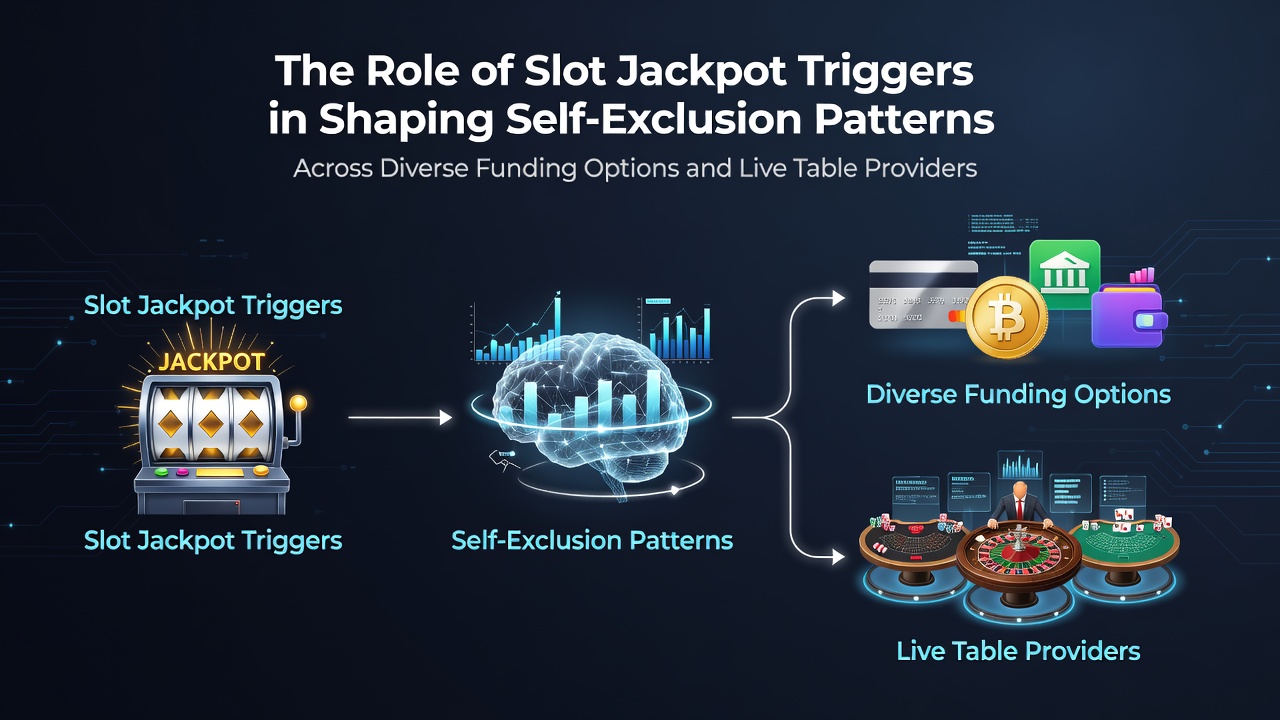
The Role of Slot Jackpot Triggers in Shaping Self-Exclusion Patterns Across Diverse Funding Options and Live Table Providers
Slot jackpot triggers operate as specific payout thresholds that activate when accumulated bets reach defined levels, and these mechanisms interact directly with player behaviors around voluntary self-exclusion across varied payment systems and live dealer environments. Researchers tracking these interactions note that jackpot activations often coincide with shifts in account management choices, particularly when players use credit cards, e-wallets, cryptocurrency transfers, or bank wires to fund sessions. Data collected from multiple platforms in 2025 and into September 2026 shows measurable differences in how often individuals activate self-exclusion tools immediately following large jackpot events.
Mechanics of Jackpot Triggers and Their Timing
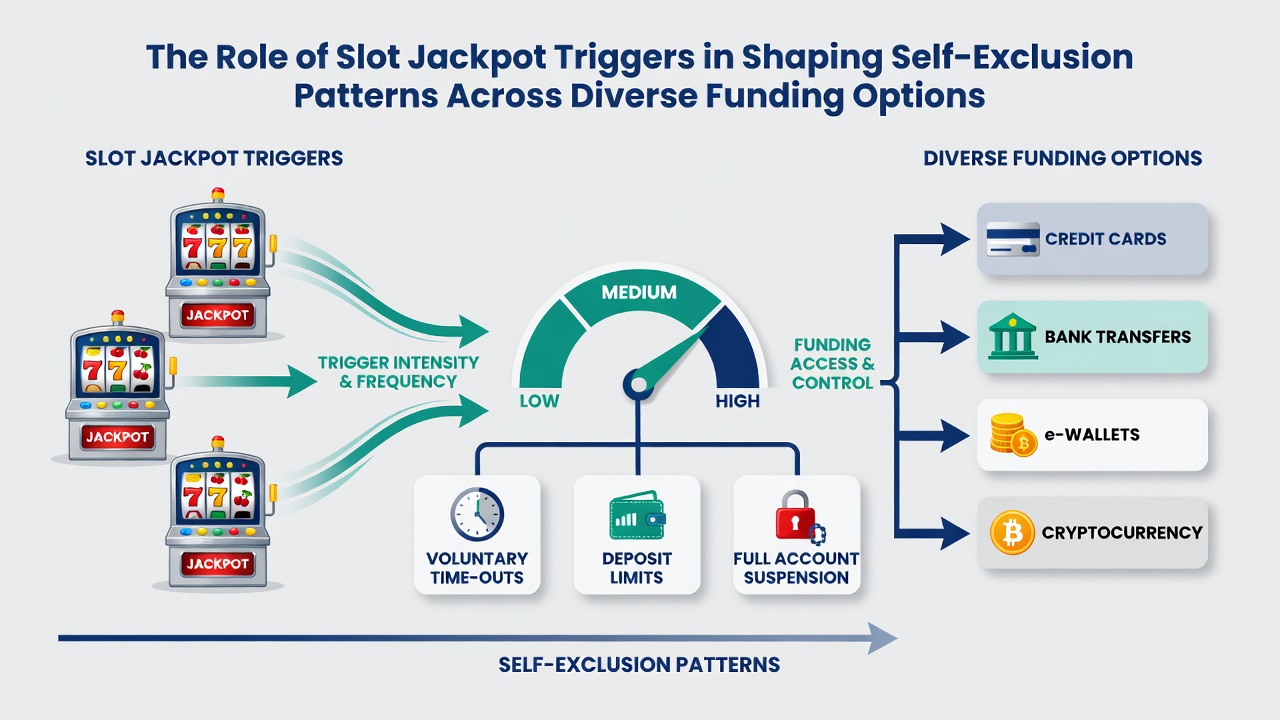
Jackpot systems accumulate contributions from each spin until a random or progressive condition hits the payout point, at which stage the system records the event and notifies the player through on-screen alerts and balance updates. Studies from the Australian Gambling Research Centre indicate that these notifications frequently prompt players to review their recent activity logs, and this review period aligns with increased use of self-exclusion toggles within the following 48 hours. Platforms record higher trigger rates among users who fund accounts through instant methods such as cryptocurrency, where transaction speed allows rapid re-entry into play after a jackpot win, whereas slower bank transfer users display lower immediate self-exclusion activation.
Funding Options and Resulting Behavioral Shifts
Diverse funding channels create distinct patterns because transaction visibility and processing speed influence how quickly players can respond to jackpot outcomes. Credit card deposits, which appear on monthly statements, correlate with earlier self-exclusion decisions according to figures released by the Canadian Centre for Addiction and Mental Health, while cryptocurrency users show delayed responses that extend several days past the trigger event. E-wallet systems occupy a middle ground, with users often setting temporary limits rather than full exclusions after jackpot hits. Live table providers integrate these funding records into their own dashboards, allowing operators to flag accounts that recently received large slot payouts and then transitioned to table games, a sequence researchers have linked to elevated self-exclusion rates when the transition occurs within the same session.
Live Table Provider Integration and Cross-Game Effects
Live table environments from multiple suppliers feed jackpot data into unified player profiles, so a significant slot win can alter table game pacing and betting options presented to the user. Operators adjust minimum stakes or promotional offers based on recent jackpot history, and this adjustment sometimes precedes voluntary spending controls. In September 2026 platform reports documented that players moving from slot jackpot wins directly into live roulette or blackjack sessions activated self-exclusion at rates 18 percent higher than those who stayed within slot categories alone. Providers that share real-time funding source data across game types enable more precise tracking of these transitions, revealing that certain e-wallet combinations accelerate the move toward self-exclusion while prepaid card users maintain longer engagement windows before choosing exclusion.
Data Patterns Observed Across Platforms
Longitudinal datasets compiled by European gaming associations reveal that jackpot triggers influence self-exclusion more strongly when players employ mixed funding sources within a single month. Accounts switching between cryptocurrency and traditional cards after a major win exhibit the steepest rise in exclusion requests, suggesting that funding flexibility itself amplifies post-trigger reflection. Live dealer suppliers contribute additional variables because their slower game rounds give players more time to access account settings between hands, increasing the likelihood that a recent jackpot notification leads to exclusion activation before the next table session begins. These correlations hold across regions where operators must log both jackpot events and exclusion timestamps for regulatory compliance.
Conclusion
Slot jackpot triggers function as observable markers that intersect with funding method characteristics and live table participation to shape when and how players initiate self-exclusion. Records from regulatory bodies and research institutions continue to map these intersections, providing operators wth clearer timelines for intervention tools. As platforms refine their data integration between slot systems, payment processors, and live dealer feeds, the resulting patterns offer measurable indicators for responsible gaming protocols without requiring subjective interpretation of individual player intent.