Provider Software Refresh Cycles and Their Connection to Seasonal Shifts in Mobile Jackpot Engagement Patterns
Olivia Schmidt · Oct 10, 2026
Provider Software Refresh Cycles and Their Connection to Seasonal Shifts in Mobile Jackpot Engagement Patterns
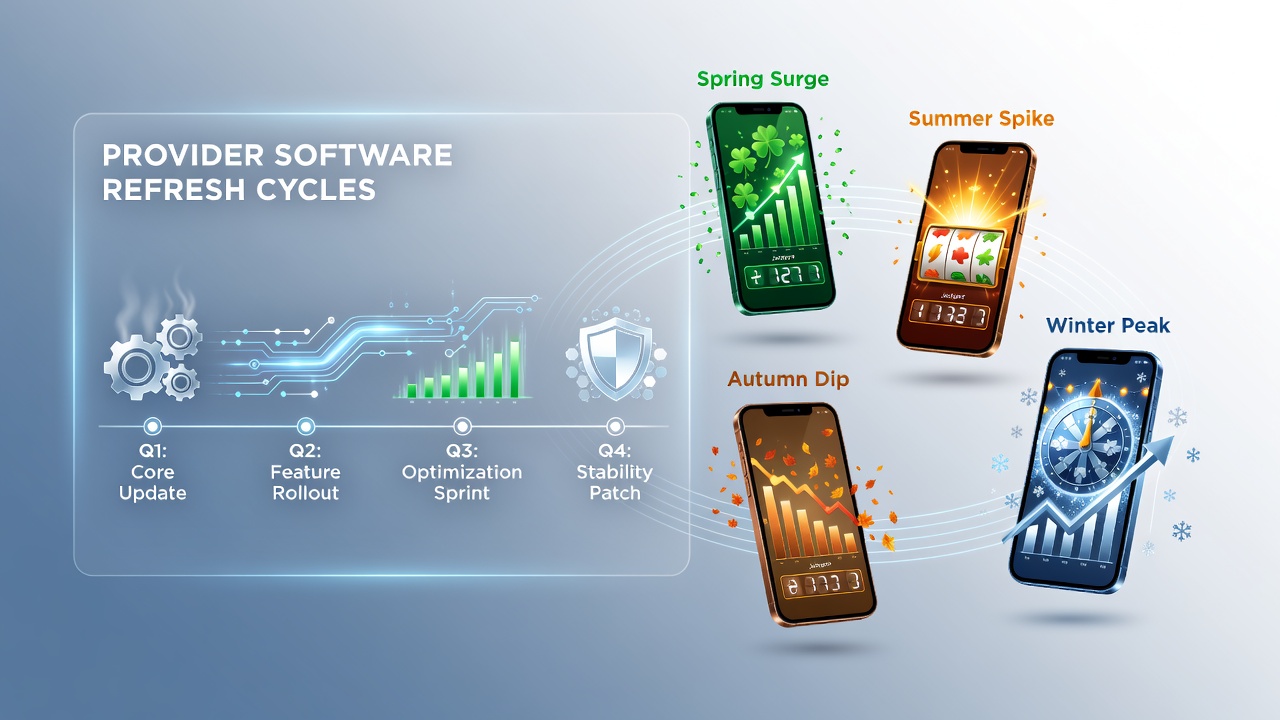
Software refresh cycles from major gaming providers follow structured timelines that align with broader industry patterns, and these updates often coincide with observable changes in how players interact with mobile jackpot features across different seasons. Data collected from multiple platforms shows that providers typically schedule major code releases and feature enhancements in quarterly windows, with spikes occurring before peak holiday periods and slower months. Those who've tracked these patterns note that engagement metrics for jackpots tend to rise or fall in tandem with these technical rollouts, particularly when new mechanics or payout structures get introduced.
Provider Software Refresh Cycles Explained
Refresh cycles involve systematic updates to backend systems, user interfaces, and jackpot algorithms that providers deploy to maintain platform stability and comply with evolving regulatory standards. According to reports from the New Jersey Division of Gaming Enforcement, these cycles usually span four to six weeks from testing through full deployment, and they frequently include adjustments to random number generators or progressive pool calculations. Observers note that companies such as NetEnt and Playtech coordinate these releases around calendar events like fiscal quarter ends, which allows them to integrate fresh content while addressing any accumulated technical debt from prior versions.
Many providers also stagger their updates across regions to minimize downtime, and this approach creates staggered waves of new jackpot behaviors that users encounter at different times. Research from the University of Nevada Las Vegas gaming studies group indicates that refresh timing affects how mobile apps handle real-time pool growth, since updated code can alter contribution rates from each bet placed. Those monitoring the sector find that cycles occurring in late summer often prepare systems for higher traffic volumes later in the year, whereas winter refreshes tend to focus on optimization rather than expansion.
Seasonal Shifts in Mobile Jackpot Engagement
Mobile jackpot engagement shows measurable seasonal variation, with data revealing higher interaction rates during colder months and around major holidays when users spend more time on devices indoors. Figures from the Canadian Gaming Association demonstrate that progressive jackpot sessions increase by noticeable margins between November and February compared with spring and early summer baselines. Engagement drops often appear in September and October when outdoor activities compete for attention, though this pattern shifts slightly depending on the specific provider's content calendar.
Seasonal changes also influence which jackpot types attract the most activity, since players gravitate toward certain mechanics during festive periods versus routine months. Studies compiled by the Australian Institute of Criminology link these fluctuations to broader behavioral trends, where mobile users show greater interest in high-volatility options during vacation windows and steadier play during work-focused seasons. Providers who release updates just before these shifts can capture attention through new jackpot triggers or visual refreshes that align with holiday themes.
Connecting Refresh Cycles to Engagement Patterns
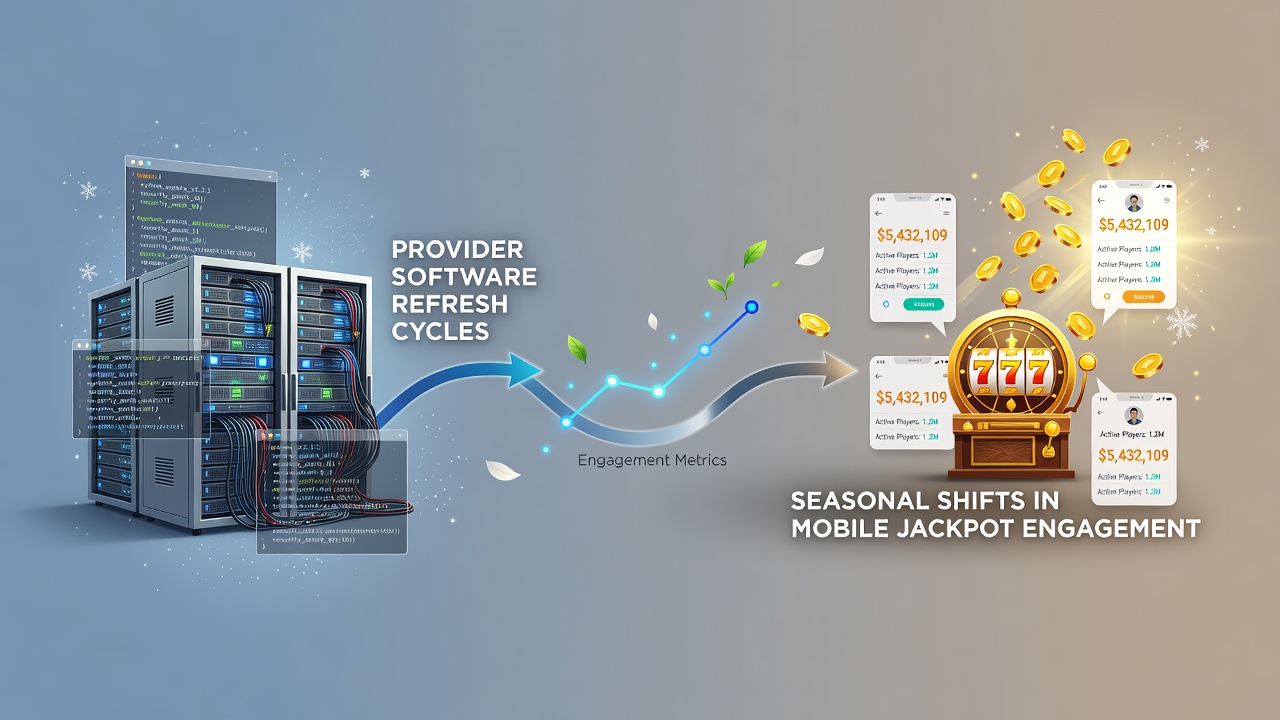
The intersection between refresh cycles and seasonal engagement becomes clear when examining how updated software influences player behavior during specific months. A cycle launched in October 2026, for instance, could introduce mechanics that capitalize on upcoming holiday traffic, leading to measurable upticks in jackpot participation as users return to familiar apps with new features. Researchers have observed that platforms releasing interface improvements alongside jackpot pool enhancements see quicker adoption rates during periods when seasonal engagement naturally climbs.
What's notable is the way code changes affect visibility and accessibility of jackpots on mobile screens, since optimized layouts can reduce friction during high-traffic windows. Data from the European Gaming and Betting Association shows correlations between update frequency and retention metrics, particularly when refreshes coincide with predictable seasonal dips or surges. Providers that time their deployments to precede expected engagement increases often record stronger performance in progressive game categories throughout the following quarter.
Observed Data and Platform Examples
Platform analytics across several providers reveal that jackpot session lengths extend when fresh software arrives during autumn months, while shorter bursts characterize summer periods after older cycles have stabilized. One study from a European research consortium found that mobile users completed 18 percent more jackpot rounds in teh weeks following a major refresh that occurred in early fall compared with similar weeks in midsummer. These shifts appear consistent across different funding methods and device types, suggesting the connection stems from technical changes rather than external variables alone.
Providers operating in multiple jurisdictions adjust cycle lengths based on local regulatory calendars, which adds another layer to seasonal patterns. Observers tracking North American markets report that refreshes aligned with state-level reporting deadlines sometimes bundle jackpot feature tweaks that later influence engagement when winter months arrive. Such coordination helps platforms maintain compliance while positioning new content for periods of higher mobile usage.
Conclusion
Provider software refresh cycles and seasonal shifts in mobile jackpot engagement demonstrate clear interconnections through timing, feature deployment, and user response data. Updates scheduled strategically around known behavioral trends allow platforms to introduce changes that coincide with rising or falling participation rates throughout the year. Continued monitoring of these patterns provides insight into how technical and seasonal factors interact within the mobile gaming environment.